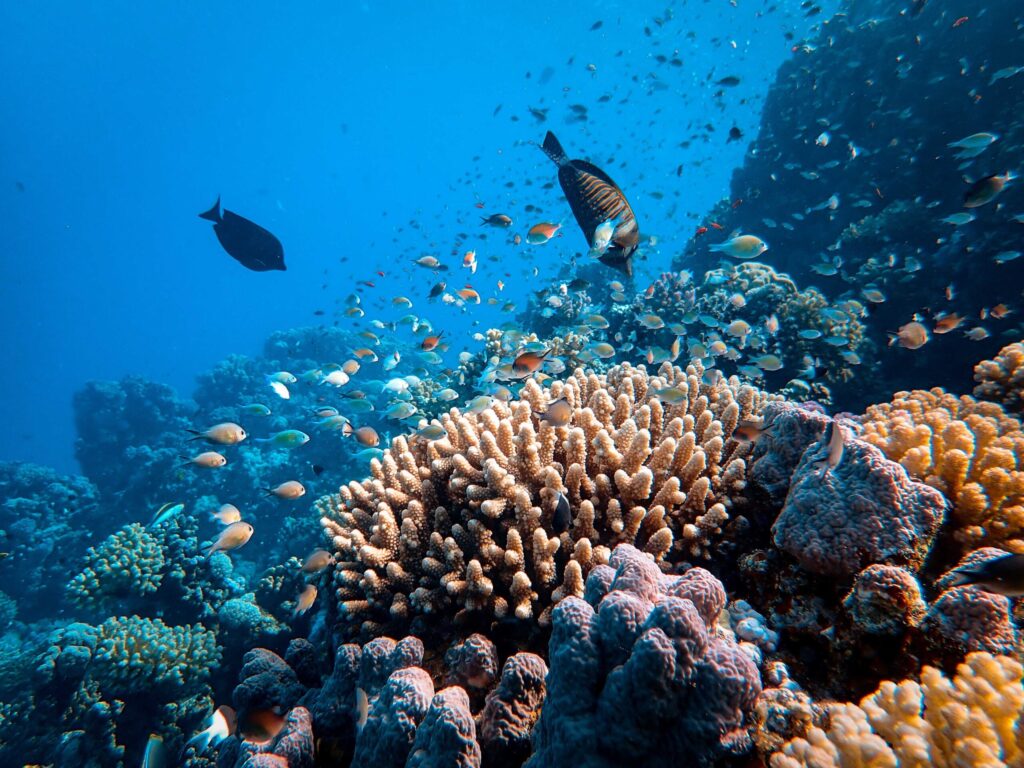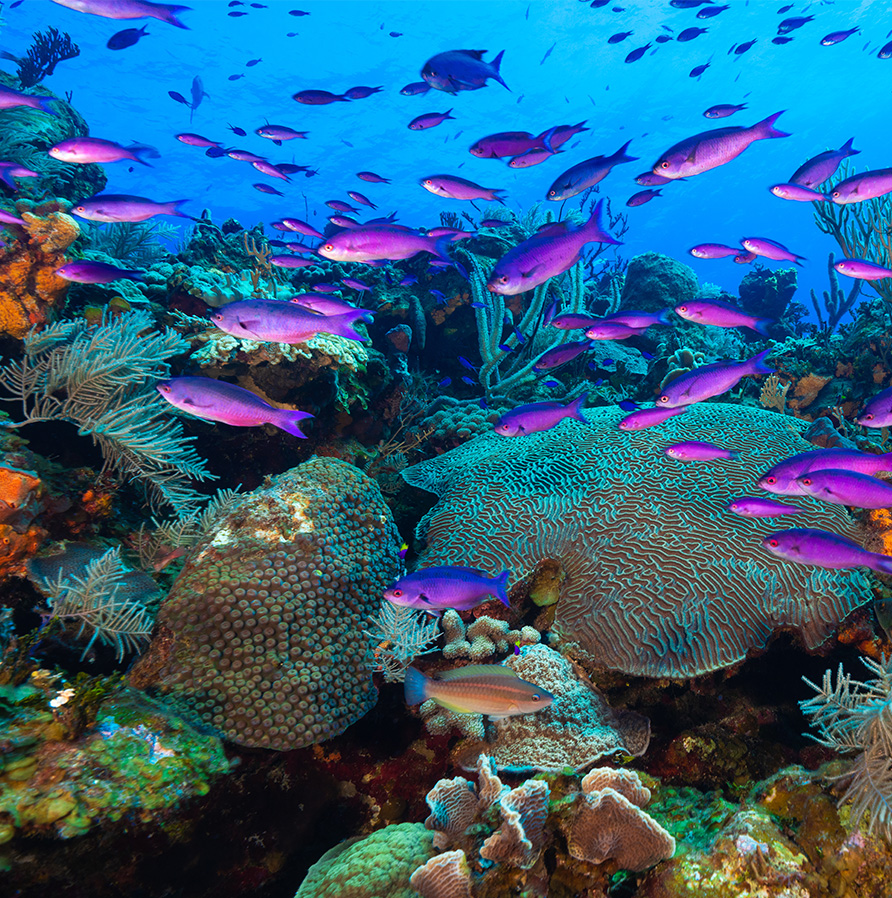
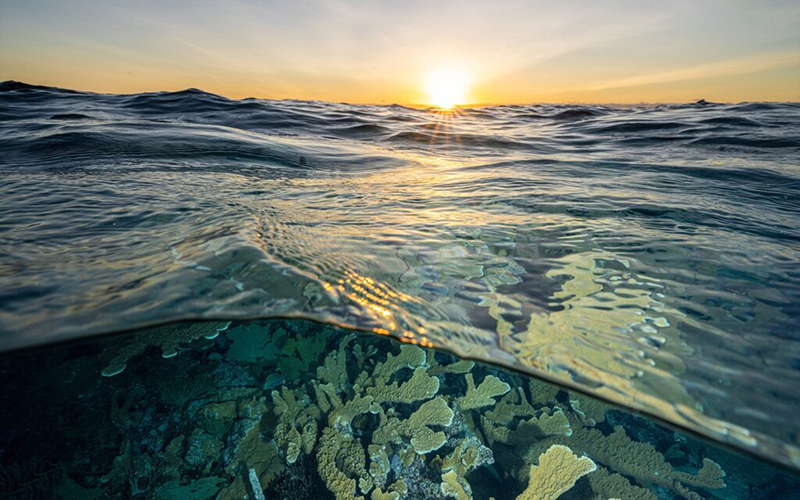
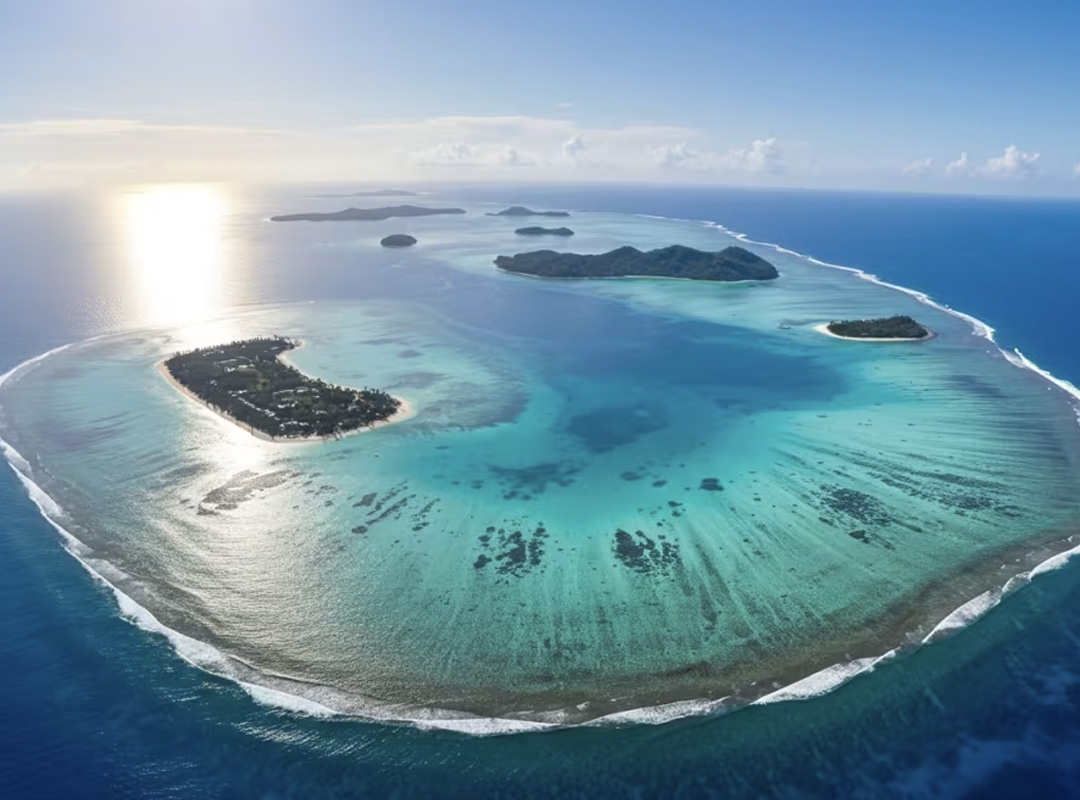
Reefs cover 0.1% of the seabed and support at least 30% of marine life.

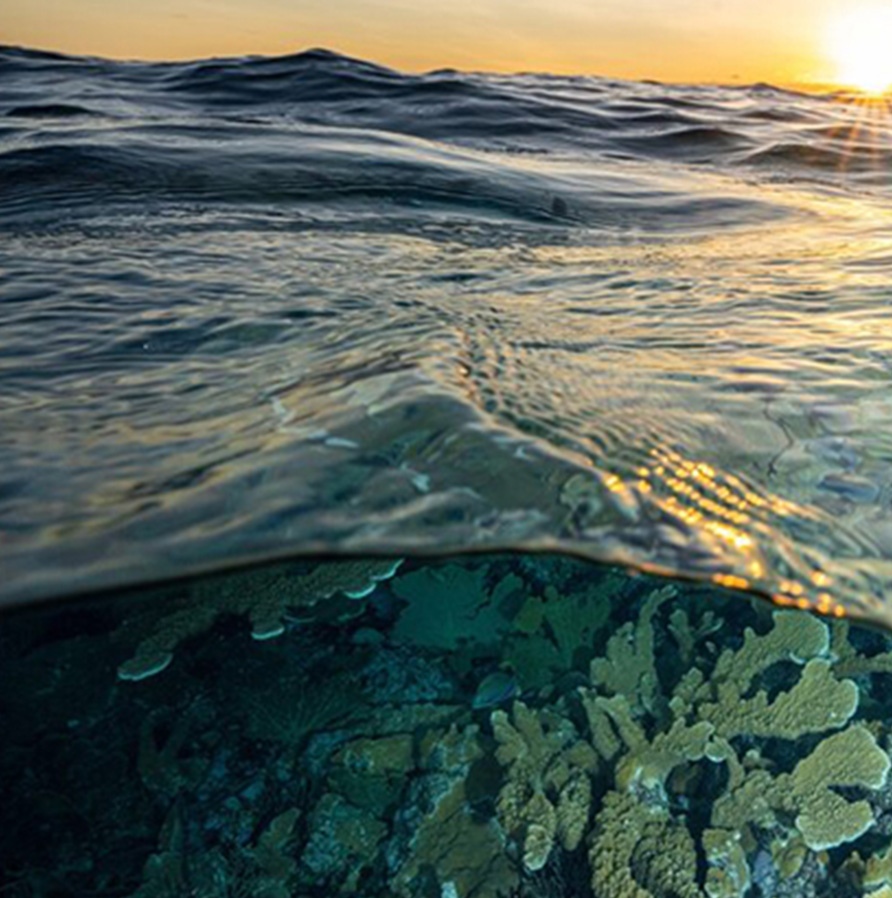
Coral reefs are the ocean’s nurseries, storm barriers, and pharmacies — worth an estimated $9.9 trillion a year in the services they provide, and dying at a pace no ecosystem has faced before. What happens to average sea temperature over the next few years will decide most of what’s left.

Every degree is a decision.

Reefs don’t need a miracle — they need warming held below the threshold and local stress removed while there’s still something left to protect. 

Join us in backing the Global Coral Action Plan.

WHY DO CORAL REEFS MATTER?

Small footprint. Outsized job.

Coral reefs are ecosystem-service providers on a scale few habitats can match: food and building materials, tourism and culture, coastal protection, sand generation, nutrient processing, and the habitat that underpins ocean biodiversity.


Taken together, reefs are estimated to provide up to $9.9 trillion a year in ecosystem services and goods — including around $36 billion a year from reef tourism alone. 

Across 117 coral reef countries, roughly a billion people — about 13% of the world’s population — live within 100km of a reef and depend on what it provides. In 60 of those countries, 100% of the population lives within that radius; across small island developing states, the figure was around 94% in 2020.

Reefs reduce expected storm damage by more than $4 billion a year, protecting at least 100 million coastal residents by absorbing up to 97% of a wave’s energy before it reaches the shore — cutting the number of people affected by coastal flooding by as much as 45%. They also support at least 30% of all marine fish species, and are a source of compounds researchers are studying for treatments for cancer, arthritis, and bacterial infections.

None of this makes reefs resilient. It makes them exposed. They are among the most temperature-sensitive ecosystems on the planet, and the margin between a healthy reef and a dead one is a matter of a single degree, sustained for a few weeks.

What’s driving reefs towards collapse?

Ocean Warming & Bleaching
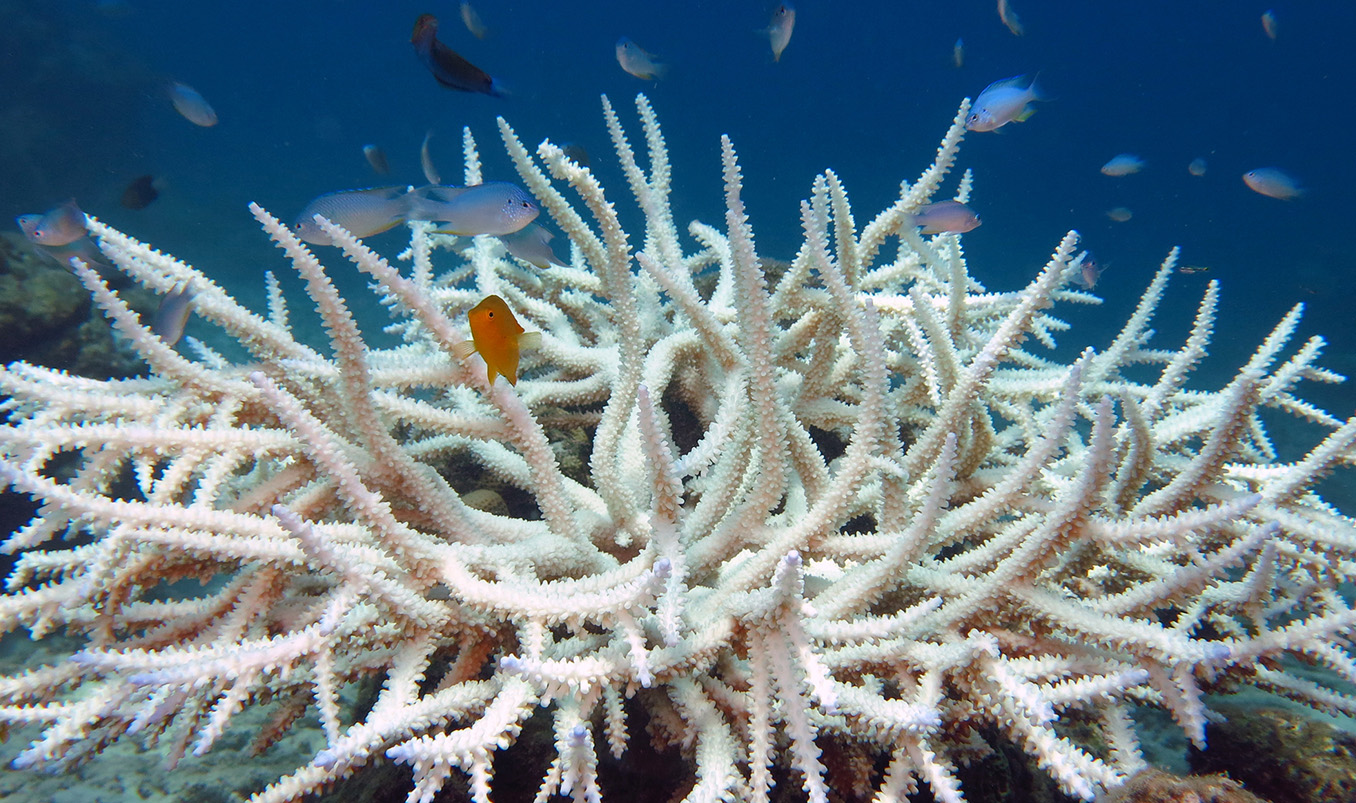
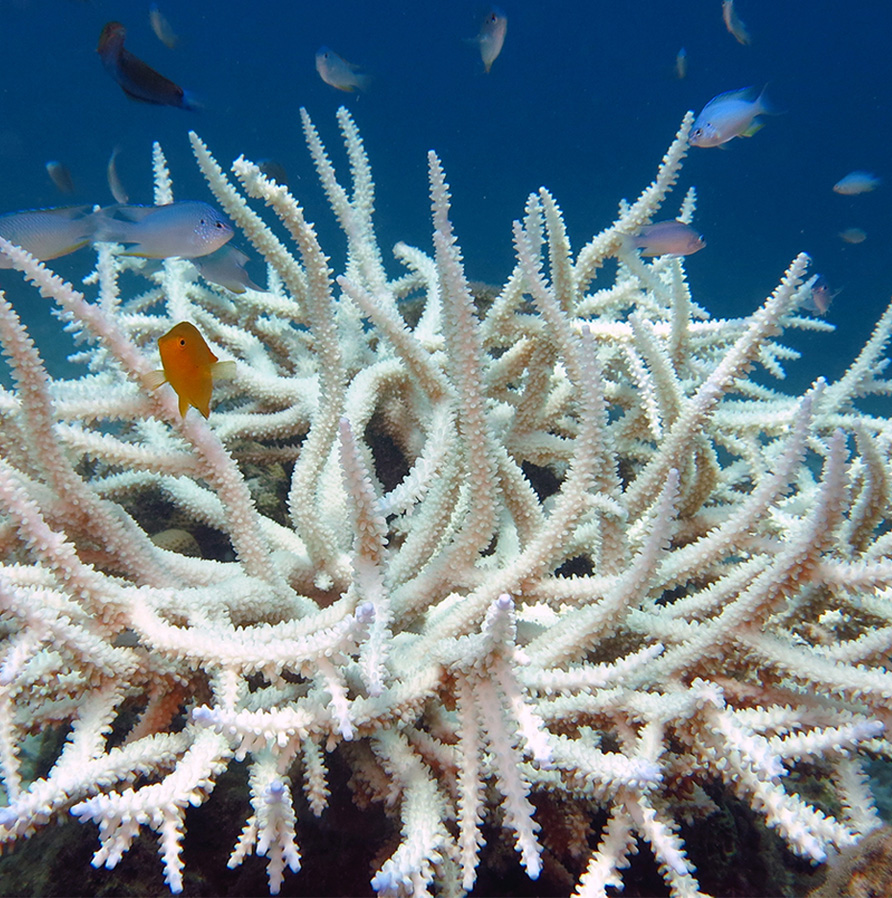
Sustained heat above a reef’s usual summer maximum forces corals to expel the symbiotic algae that feed and colour them. A bleached coral isn’t dead — but it is starving, and repeated bleaching events leave no time to recover.

As the ocean absorbs more CO₂, its pH falls. Lower pH makes it harder for corals to build the calcium carbonate skeletons that form reef structure — slowing growth and weakening reefs already under thermal stress.

Agricultural fertiliser, untreated sewage, and sediment from coastal development smother reefs and fuel algal blooms that outcompete coral for light and space, particularly on reefs close to populated coastlines.

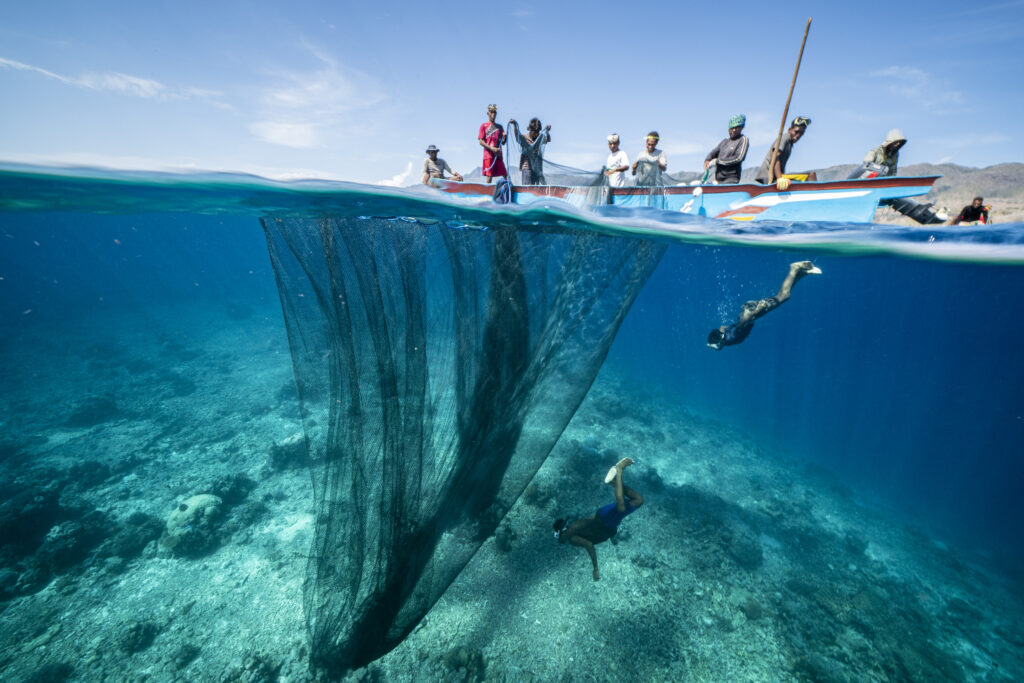
Blast fishing, cyanide fishing, and bottom-contact gear physically destroy reef structure that took centuries to form — damage that doesn’t heal on the timescale of a fishing season, or often at all.

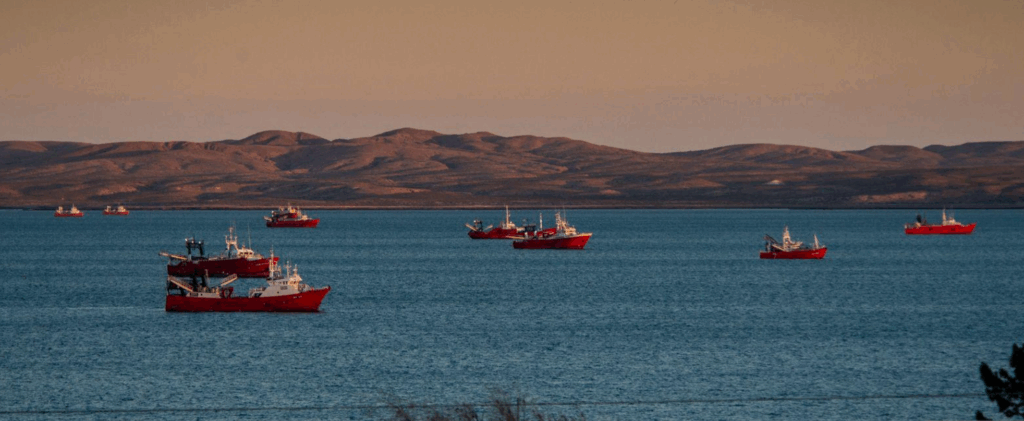
Fishing in the ocean

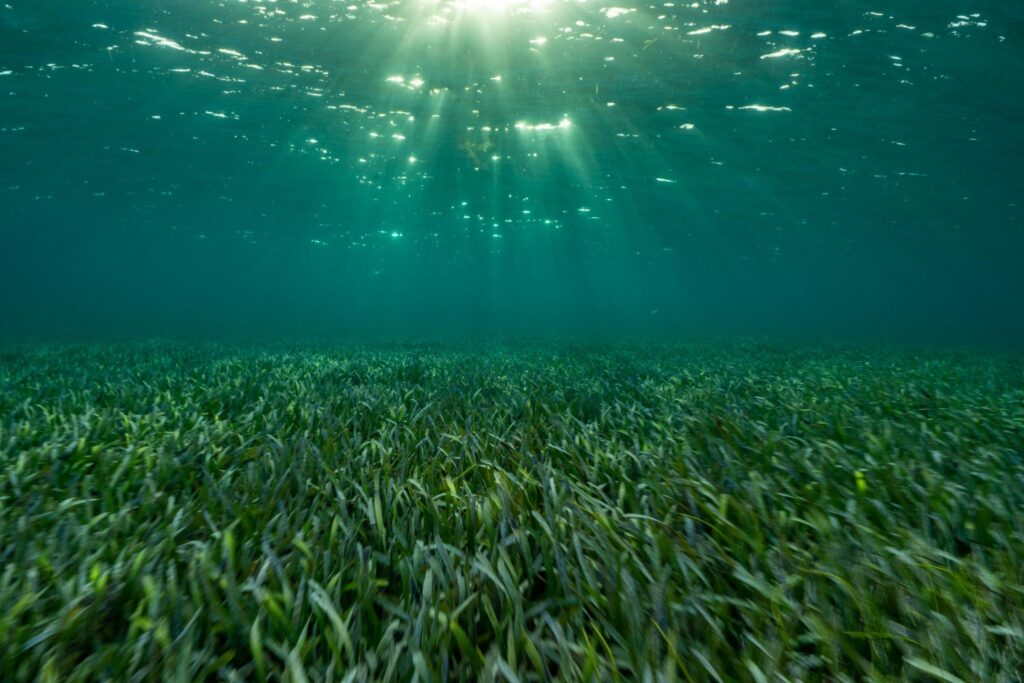
Dredging, land reclamation, and unregulated coastal construction bury reefs in sediment and remove the mangrove and seagrass systems that would otherwise filter run-off before it reaches them.

Warmer water and weakened coral immunity have accelerated the spread of coral diseases such as stony coral tissue loss disease, which can kill a colony within weeks of infection.

$9.9T

97%

1B+

30%+

Estimated annual value of coral reef ecosystem services worldwide

People living within 100km of a coral reef — 13% of the global population

Of wave energy absorbed by a healthy reef before it reaches the shore

Of all marine fish species supported by coral reefs

GLOBAL CORAL ACTION PLAN

Emergency action for corals

Mission: to stop the global collapse of tropical coral reefs by 2030, through a science-led recovery effort that brings finance, innovation, and local leadership together in one plan.

Coral reefs are running out of time. This isn’t a future risk — it’s a live emergency for biodiversity, coastlines, food security, tourism, culture, and the communities who depend on reefs every day.

But collapse isn’t inevitable. The science exists. The tools are improving fast. The people on the ground are ready. What’s been missing is coordination, funding, and speed — and that’s exactly the gap this plan is built to close.

Lorem ipsum dolor sit amet, consectetur adipiscing elit. Ut elit tellus, luctus nec ullamcorper mattis, pulvinar dapibus leo.

DELIVERY SIGNAL 1

Science-led recovery

Scale evidence-based protection and restoration.

DELIVERY SIGNAL 2

Local leadership

Put regional hubs and communities at the centre.

DELIVERY SIGNAL 3

Finance at scale

Mobilise public, private, and philanthropic capital.

A coordinated global mission

The Global Coral Action Plan is a unique framework that turns fragmented coral action into a coordinated global mission with a focus on pace and scale. It unites the field to protect what remains, restore what can recover, finance action at scale, and deliver through local leadership..

WHO WE’RE WORKING WITH

Reef protection is a shared effort

We’re proud to work alongside partners bringing science, finance, and grassroots action to coral protection.

Every degree is a decision.

Reefs don’t need a miracle — they need warming held below the threshold and local stress removed while there’s still something left to protect. 

Join us in backing the Global Coral Action Plan.

Lifestyle

Arksen

Arksen is a purpose-driven company creating adventure vessels, vehicles, and experiences that inspire exploration while supporting ocean conservation, scientific research, and environmental action. 

Client Earth

ClientEarth is an environmental law organisation that uses the power of the law to protect nature, tackle climate change, and hold governments and businesses accountable for environmental action. 

Earth Law Center

Earth Law Center works to transform legal systems by recognising the inherent rights of nature, helping ecosystems thrive through legal advocacy, policy development, and education. 

MICHAEL ROSEN

Michael Rosen has experience at a partner and co-founder level in private equity and venture capital funds. He has evaluated, executed and managed investments across many sectors and stages, raised capital, managed teams and worked closely with portfolio companies. He was the COO of a listed investment vehicle, and most recently the CIO of Ocean Born Impact where he oversaw investment strategies focused on companies that positively impact planetary health, emphasizing areas such as the energy transition, clean transportation, sustainable production, and enabling technologies.


Earlier in his career, Michael served as a Partner at Pamplona Capital Management, where he was responsible for identifying and managing investment opportunities across various sectors. His career began as an Analyst in the Financial Sponsors Group at Merrill Lynch in London.


Michael continues to make and support impactful investments that combine environmental sustainability with technological innovation, leveraging his extensive experience in finance and investment management. His investments include impact-focused businesses such as Olio (food waste), Skin Analytics (Al for skin cancer detection), Bramble Energy (hydrogen fuel cells), and CHOOOSE (carbon-offsetting and mitigation).


Michael graduated from Oxford University in 2001 with a first class degree in PPE (Philosophy, Politics and Economics), and in 2024 he published his first novel, The Consciousness Company, about a start-up company.


Michael is currently a venture partner for the impact fund, Mustard Seed Maze, and is happy to talk about private equity, venture capital and impact investing.