The world agreed to zero. Three countries still hunt.

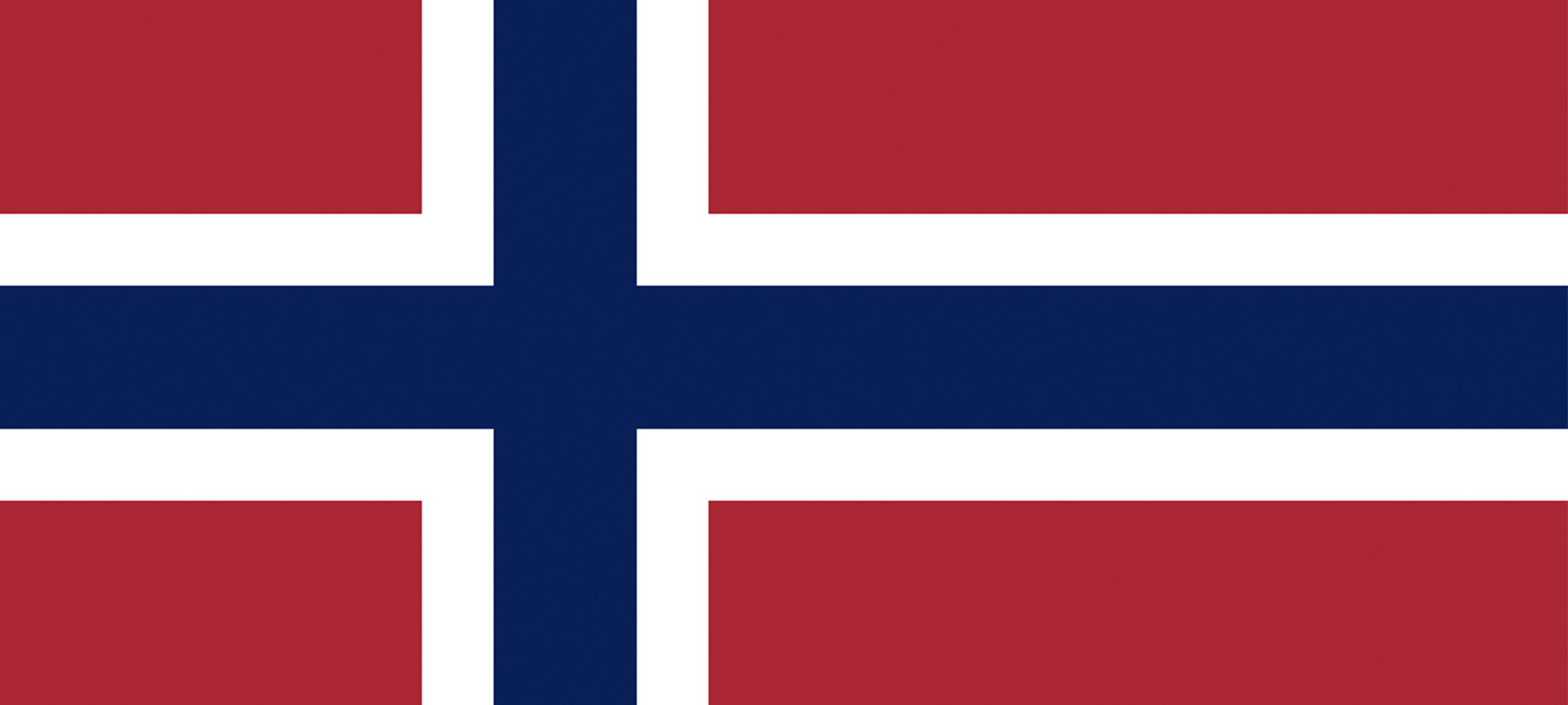
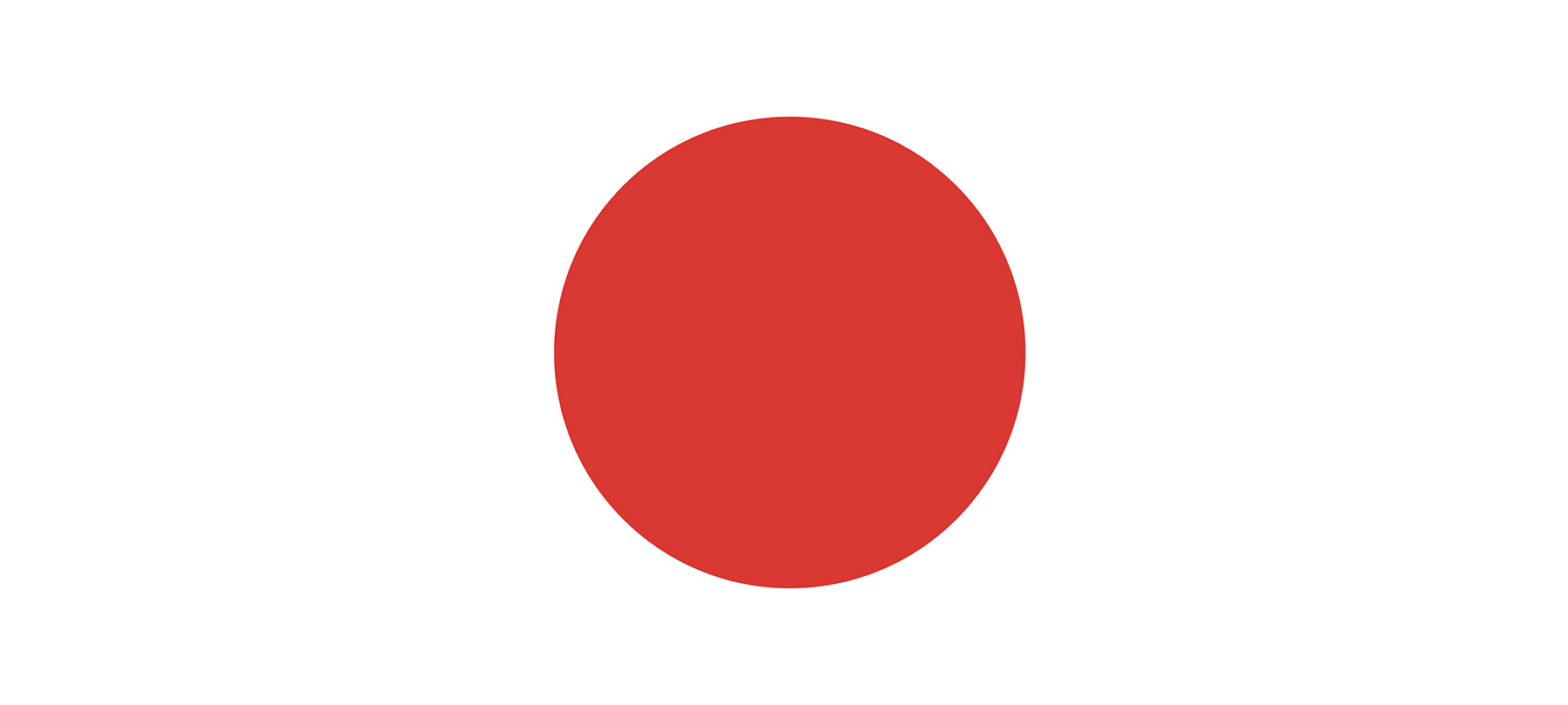
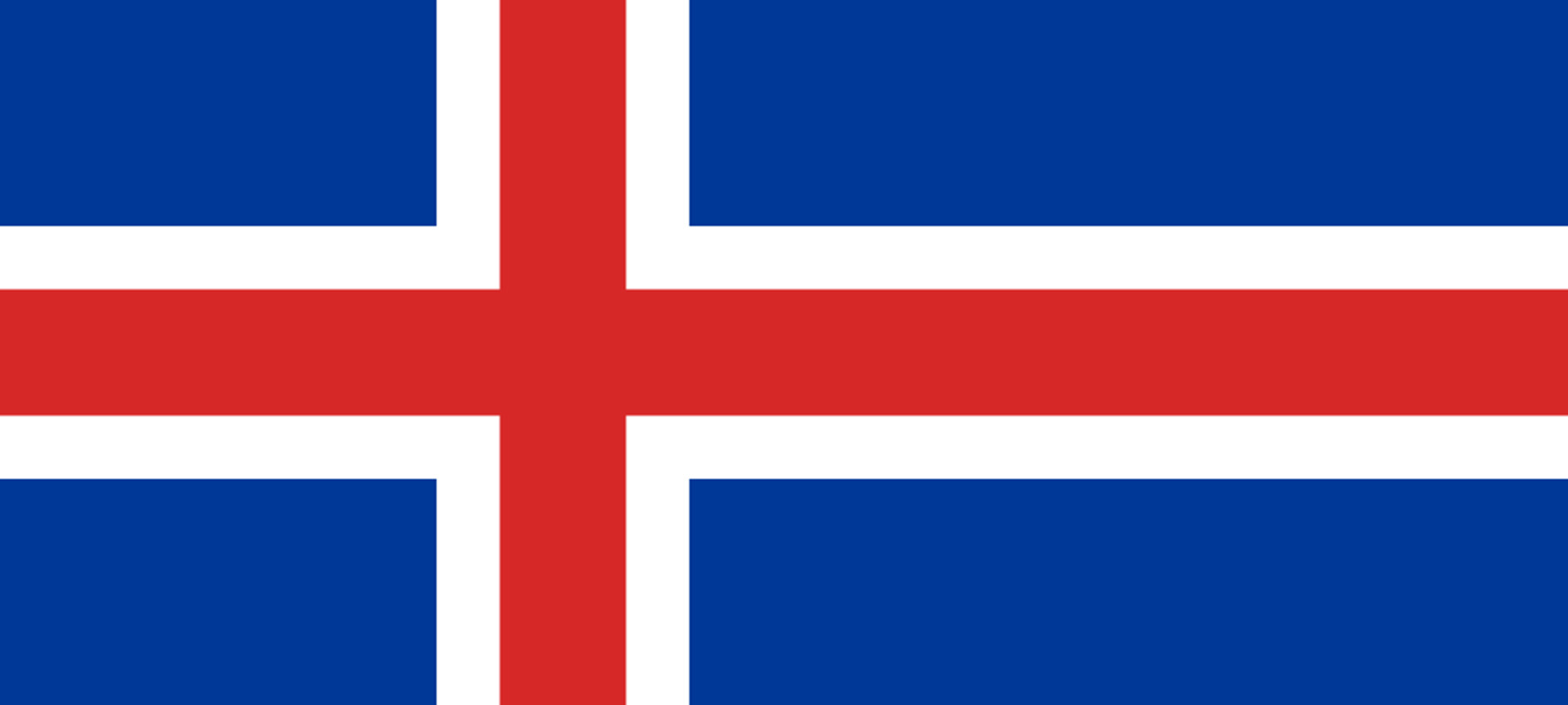
In 1986, the global moratorium on commercial whaling came into force. It was meant to end the hunt everywhere. Instead, Iceland, Norway, and Japan have spent four decades finding ways around it — killing more than 45,000 whales since the ban that was supposed to stop them.

The world agreed to zero. Three countries still hunt.

In 1986, the global moratorium on commercial whaling came into force. It was meant to end the hunt everywhere. Instead, Iceland, Norway, and Japan have spent four decades finding ways around it — killing more than 45,000 whales since the ban that was supposed to stop them.

Add your name.
End the hunt for good.

Over 45,000 whales have been killed since the world agreed to stop. Iceland, Norway, and Japan are the last nations still hunting. The End Commercial Whaling Coalition’s global petition is calling on them to honour the moratorium — and we’re proud to stand behind it.

Add your name.
End the hunt for good.

Over 45,000 whales have been killed since the world agreed to stop. Iceland, Norway, and Japan are the last nations still hunting. The End Commercial Whaling Coalition’s global petition is calling on them to honour the moratorium — and we’re proud to stand behind it.

WHY WALES MATTER

Big animals.
Bigger impact on the whole ocean.

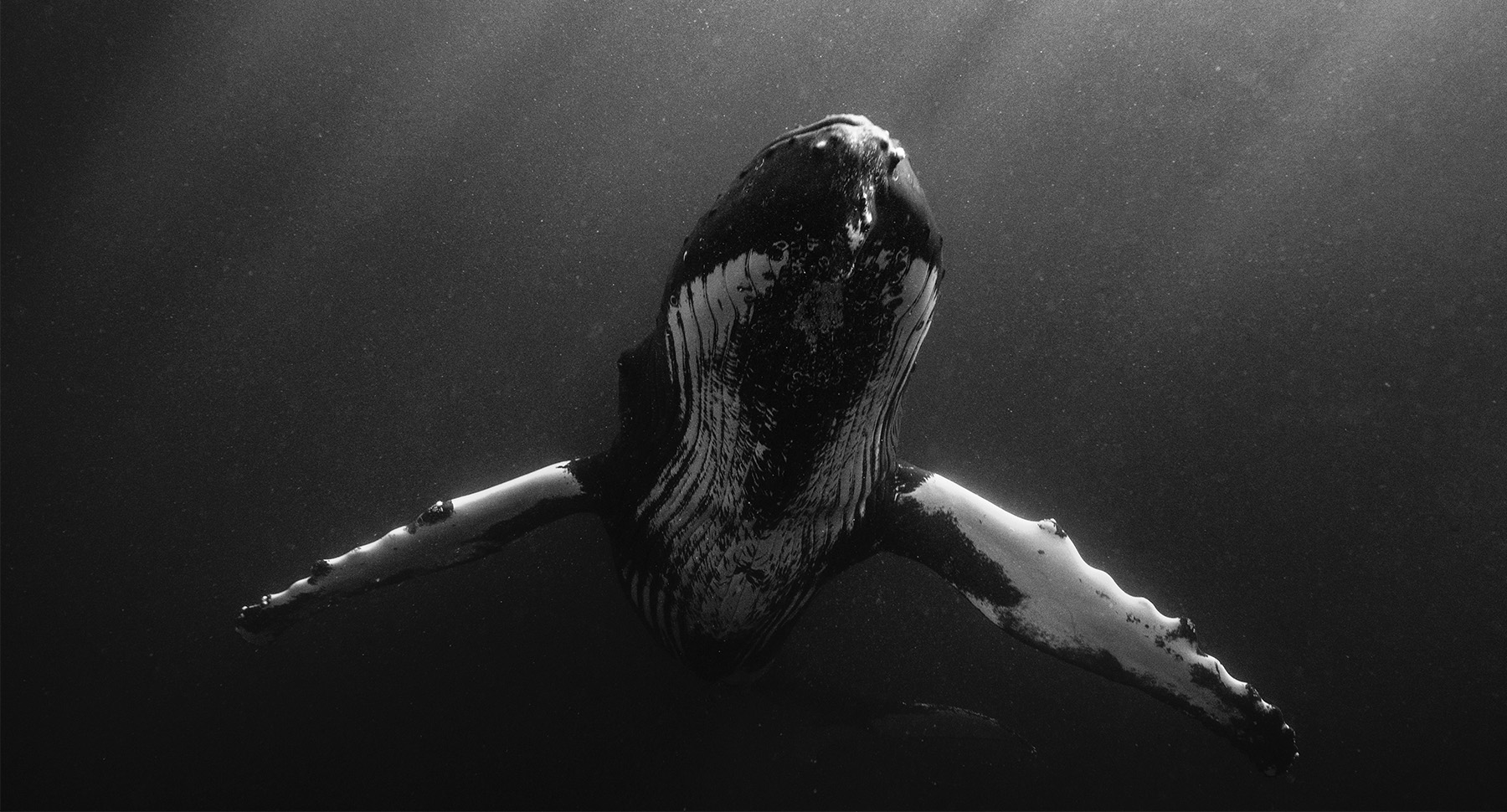
Before we get to the politics of who’s still hunting and why, it’s worth remembering what’s actually at stake. Whales aren’t simply charismatic — they’re working parts of a planetary system, quietly doing jobs that affect the climate, the food chain, and the wider ocean’s ability to support life at all.

What’s impacting whale populations? 

Climate buffers

A single great whale stores around 33 tonnes of CO₂ over its lifetime — the equivalent of roughly 1,500 trees. When it dies naturally, that carbon sinks to the seabed, locked away for centuries. Kill it, and the carbon returns to the atmosphere immediately.

When whales surface to breathe, their nutrient-rich waste fertilises the upper ocean with iron and nitrogen — fuelling the phytoplankton that absorb an estimated 40% of all global CO₂. Fewer whales means less phytoplankton, means less carbon drawn from the atmosphere.

Responsible whale-watching supports coastal jobs, economies, and scientific research worldwide. Even in death — a whale falling naturally to the seabed sustains over 400 species for decades, one of the largest food inputs the deep ocean receives.

By boosting plankton growth, whales increase ocean primary productivity by up to around 10% in some regions — indirectly supporting the fish stocks that entire coastal communities depend on. There is no evidence that more whales means fewer fish; the data suggests the opposite.

Fishing in the ocean

Whales are among the most intelligent animals on Earth — with distinct cultures, complex social bonds, and emotional lives passed between generations. Commercial whaling killed over three million of them in the 20th century alone. Many populations are still recovering. Some never will.

HISTORY OF WHALING

How we got here

1900 – 1970s

THE INDUSTRIAL SLAUGHTER


Explosive harpoons and factory ships turned whaling into industrial-scale extraction. Over two million large whales were killed across the 20th century. Blue, fin, humpback, and right whale populations collapsed — some reduced by more than 90%.


1946

THE MORATORIUM

IWC member states voted to set all commercial catch limits to zero. The ban came into force in 1986 — but with a loophole: any nation could formally object and keep hunting anyway. Norway did exactly that. A second loophole allowed “scientific permit” whaling, which Japan used for decades. Iceland voted against the moratorium in 1982, stopped commercial whaling when it came into force, then resumed scientific permit hunts in the late 1980s before stopping again in 1989.


2006

ICELAND RETURNS – AND WHALE WARS BEGINS

Iceland left the IWC in 1992, rejoined in 2002, and resumed commercial whaling in 2006. Meanwhile, the Sea Shepherd Conservation Society began direct-action campaigns against Japanese whaling fleets in the Southern Ocean — physically intervening between harpoon ships and whales. The confrontations became the basis of the documentary series Whale Wars (2008–2015), bringing the issue to mainstream global attention.


2019

JAPAN LEAVES THE IWC

After decades of “scientific whaling” in the Southern Ocean, Japan formally withdrew from the IWC and resumed open commercial whaling in home waters.


Today

THREE NATIONS, ONE BROKEN PROMISE

Most of the world complies with the moratorium. Iceland, Norway, and Japan do not — and between them, the hunt has never stopped.

Norway

18,100+ Minke whales killed since the 1986 moratorium — more than Iceland and Japan combined

Click for more
  • Continues under a formal objection to the IWC moratorium lodged in 1986 and never withdrawn
  • Still killing 500+ minke whales most seasons, predominantly females
  • Government has spent over $27 million supporting the fleet and promoting whale meat domestically
  • Fewer than 2% of Norwegians consume whale products

Japan

2019: Japan leaves the IWC to resume open commercial whaling in home waters


Click for more
  • In 2024: 179 Bryde’s, 87 minke, 30 fin, and 25 sei whales killed
  • Government subsidises whaling at nearly $10 million per yea
  • Has used development aid as leverage to recruit IWC votes in its favour

Iceland

82% of Icelanders have never eaten whale meat — yet quotas continue


Click for more
  • Fewer than 2% of Icelanders eat whale meat regularly
  • Most of what is hunted is exported, principally to Japan
  • Whale-watching now generates far more sustained economic value than the whaling industry
  • Whaling continues under shifting government quotas rather than domestic demand

Three nations, one broken promise.

A nation that mostly turned away from whaling — but hasn't fully stopped.

Iceland

Iceland’s relationship with commercial whaling has been on-again, off-again for decades, shaped more by shifting government decisions and export markets than by domestic demand. Fewer than 2% of Icelanders eat whale meat regularly, and the vast majority — 82% — have never eaten it at all. Most of what is hunted is exported, principally to Japan.

Tourism tells a different story. Whale-watching is now one of Iceland’s most popular visitor activities, generating far more sustained economic value than the whaling industry itself — a clear illustration of whales being worth more alive

2026

Year Iceland resumed commercial whaling after a 17-year pause

-90%

of whale meat exported — mostly to Japan, not consumed domestically

1 in 4

tourists surveyed said they whale-watched in Iceland — among the most popular visitor activities

What we're backing

Iceland’s relationship with commercial whaling has been on-again, off-again for decades, shaped more by shifting government decisions and export markets than by domestic demand. Fewer than 2% of Icelanders eat whale meat regularly, and the vast majority — 82% — have never eaten it at all. Most of what is hunted is exported, principally to Japan.

VISITOR PLEDGE

For the Love of Iceland
— Keep Iceland Wild

A pledge for visitors to Iceland: don’t eat whale meat while you’re here. With most of the industry’s product aimed squarely at tourists curious to “try” it, refusing is one of the simplest, most direct actions a traveller can take.

VISITOR PLEDGE

Styngvi — “Let Them Live”

Icelandic artist Styngvi (Stefán) has spent the past year spreading awareness of whaling through illustration, including his “Let Them Live” series. He has donated artwork to Iceland’s whale museum to support the petition, and is developing a mural for an outdoor wall in Reykjavik this summer.

The world's largest commercial whaling fleet — killing more whales than Iceland and Japan combined.

Norway

Norway has hunted and killed more than 18,100 minke whales since the IWC moratorium took effect in 1986, continuing under a formal objection it lodged at the outset and has never withdrawn. Norway’s fleet still kills over 500 minke whales most seasons — more than Iceland and Japan combined — making it by far the largest commercial whaling operation left in the world.

The Norwegian government has spent over $27 million supporting its small-scale whaling fleet and promoting whale meat to a domestic market where fewer than 2% of Norwegians actually consume it. Public funds have also gone toward lobbying campaigns, including the Norwegian Fisheries Association’s “Whales versus Fish” messaging — which blames whales for declining fish stocks despite research showing that minke whales largely don’t eat the species humans fish for. It’s a narrative built to justify an industry that the market itself is abandoning, not one supported by the evidence.

500+

minke whales killed most seasons — more than Iceland and Japan combined

$27M+

in government support for the whaling fleet and domestic meat promotion

~70%

of the annual catch are female minke whales


What we're backing

Iceland’s relationship with commercial whaling has been on-again, off-again for decades, shaped more by shifting government decisions and export markets than by domestic demand. Fewer than 2% of Icelanders eat whale meat regularly, and the vast majority — 82% — have never eaten it at all. Most of what is hunted is exported, principally to Japan.

Documentary · ESPA, 2023

Whale Wash — The Forgotten Whale

An investigative documentary examining Norway’s modern whaling industry, and why the country continues to hunt whales in the 21st century while almost everywhere else has stopped.

Documentary · ESPA

Harpooned: The Great Whale Betrayal

ESPA investigators follow minke whales through contested North Atlantic waters, tracking whaling vessels and speaking with experts to reveal how two neighbouring states take starkly different approaches — one offering sanctuary, the other a bounty.

CONTAMINATION

What's in the Whale meat?

Testing carried out in 2024 — prompted by ESPA — found measurable levels of perfluorooctane sulfonate (PFOS) in every single sample of whale meat tested. PFOS is a “forever chemical”: persistent, bio-accumulative, and linked to immune and thyroid dysfunction, cancer, liver and kidney disease, and adverse reproductive outcomes. It accumulates up the food chain, which means the concentrations found in top predators like whales are far higher than in the surrounding environment.

This isn’t a Norway-only concern. Whale meat sold or exported from Iceland carries the same contamination risk. A product already in shrinking demand is, on the evidence, also a contaminated one — and anyone eating it is being exposed to chemicals the industry has no incentive to disclose.

WHO WE’RE WORKING WITH

Working together to end commercial whaling

We partner with science, policy, and grassroots organisations across the North Atlantic and beyond. Together, we strengthen public awareness, responsible tourism, and policy change.

Add your name.
End the hunt for good.

Over 45,000 whales have been killed since the world agreed to stop. Iceland, Norway, and Japan are the last nations still hunting. The End Commercial Whaling Coalition’s global petition is calling on them to honour the moratorium — and we’re proud to stand behind it.

Add your name.
End the hunt for good.

Over 45,000 whales have been killed since the world agreed to stop. Iceland, Norway, and Japan are the last nations still hunting. The End Commercial Whaling Coalition’s global petition is calling on them to honour the moratorium — and we’re proud to stand behind it.

Lifestyle

Arksen

Arksen is a purpose-driven company creating adventure vessels, vehicles, and experiences that inspire exploration while supporting ocean conservation, scientific research, and environmental action. 

Client Earth

ClientEarth is an environmental law organisation that uses the power of the law to protect nature, tackle climate change, and hold governments and businesses accountable for environmental action. 

Earth Law Center

Earth Law Center works to transform legal systems by recognising the inherent rights of nature, helping ecosystems thrive through legal advocacy, policy development, and education. 

MICHAEL ROSEN

Michael Rosen has experience at a partner and co-founder level in private equity and venture capital funds. He has evaluated, executed and managed investments across many sectors and stages, raised capital, managed teams and worked closely with portfolio companies. He was the COO of a listed investment vehicle, and most recently the CIO of Ocean Born Impact where he oversaw investment strategies focused on companies that positively impact planetary health, emphasizing areas such as the energy transition, clean transportation, sustainable production, and enabling technologies.


Earlier in his career, Michael served as a Partner at Pamplona Capital Management, where he was responsible for identifying and managing investment opportunities across various sectors. His career began as an Analyst in the Financial Sponsors Group at Merrill Lynch in London.


Michael continues to make and support impactful investments that combine environmental sustainability with technological innovation, leveraging his extensive experience in finance and investment management. His investments include impact-focused businesses such as Olio (food waste), Skin Analytics (Al for skin cancer detection), Bramble Energy (hydrogen fuel cells), and CHOOOSE (carbon-offsetting and mitigation).


Michael graduated from Oxford University in 2001 with a first class degree in PPE (Philosophy, Politics and Economics), and in 2024 he published his first novel, The Consciousness Company, about a start-up company.


Michael is currently a venture partner for the impact fund, Mustard Seed Maze, and is happy to talk about private equity, venture capital and impact investing.